
Habitat Heritage:
an historic preservation practice grounded in the belief that architecture is both our habitat and our heritage. Through research and adaptive reuse consultancy we treat existing buildings as cultural and ecological assets—stewarding the built environment to reduce carbon, sustain community memory, and support the well-being of people and the planet. A blend of creativity and collaboration delivering positive economic, social, and ecological impact.
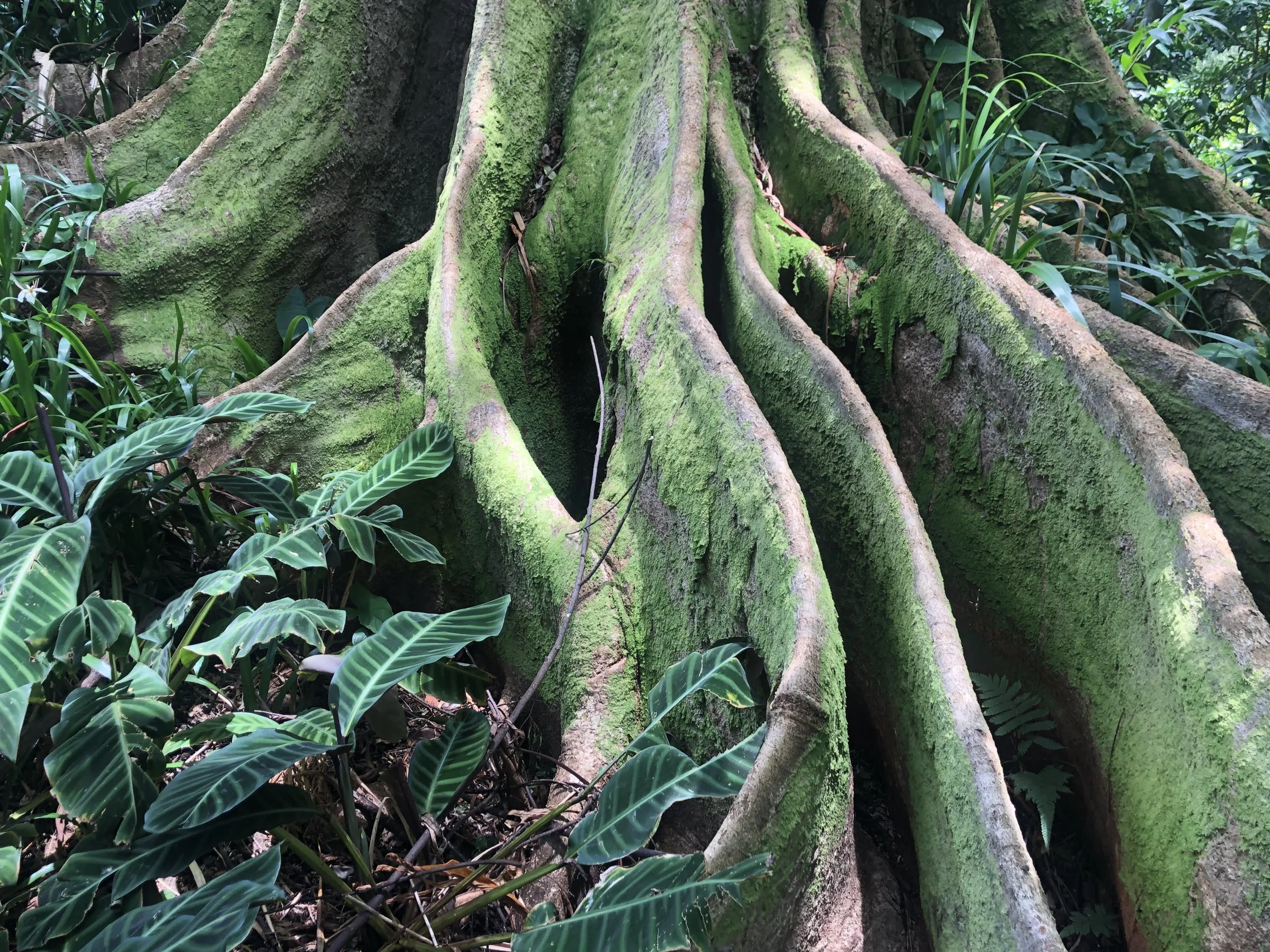
Adaptation that nurtures people and planet.
Services
Historic Tax Credits
Historic tax credits are federal and state incentive programs that offset a portion of rehabilitation costs for historic buildings, making adaptive reuse projects more financially viable. Together, the federal 20% credit and often 20% state-level credits help close financing gaps, attract private investment, reduce carbon by reusing existing buildings, and preserve the cultural heritage that anchors communities.
National Register Nominations
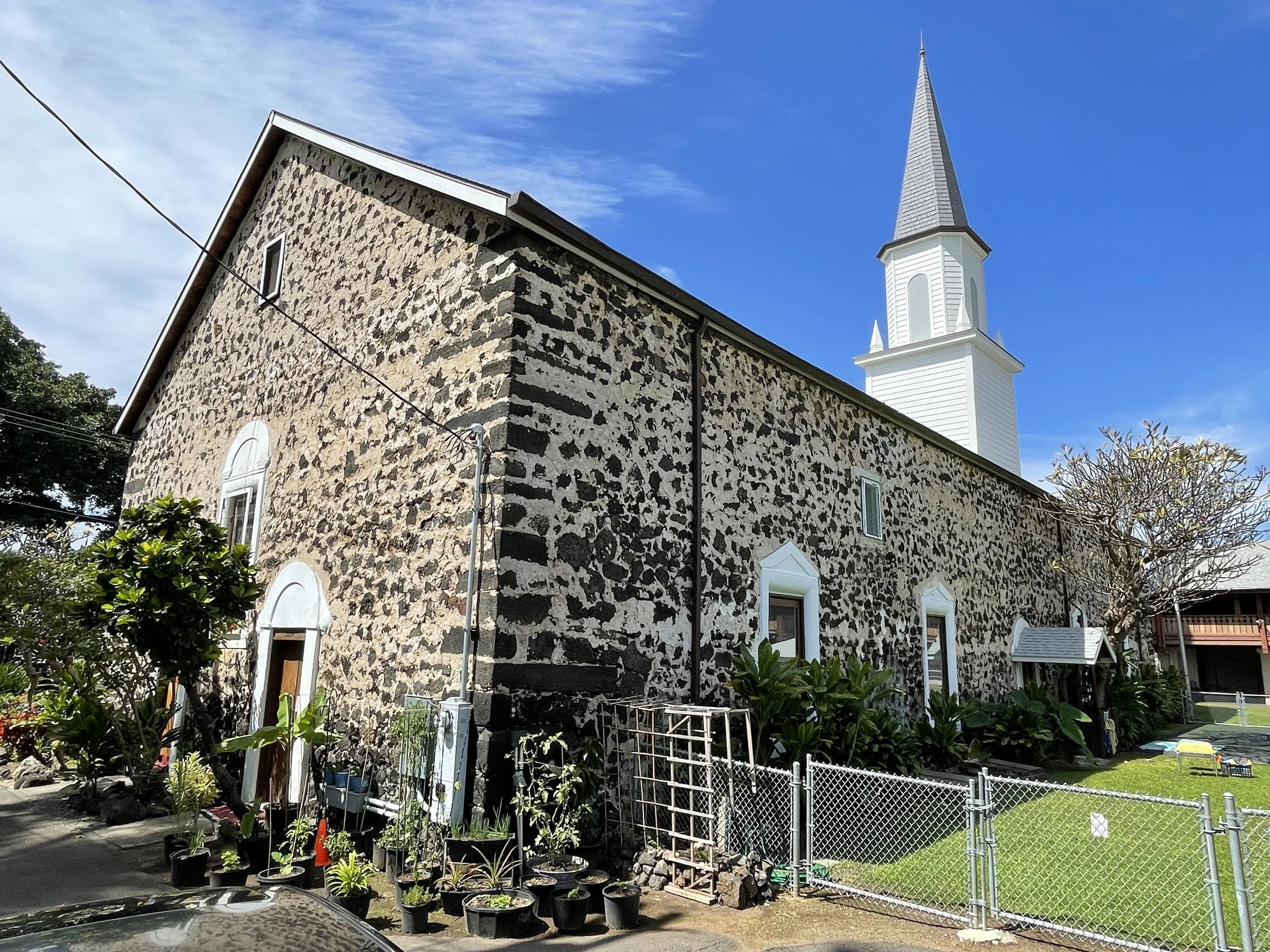
The National Register of Historic Places is the federal list of buildings, districts, and landscapes significant in American history, architecture, and culture, and listing or eligibility establishes a property’s qualification for federal historic tax credits and many state and local incentives. Beyond incentives, National Register documentation formally records and honors a property’s history, ensuring its cultural value is recognized, preserved, and considered in future planning and development.
Environmental Regulatory Compliance
Historic preservation is embedded in environmental compliance through federal, state, and local laws that require historic and cultural resources to be evaluated alongside impacts to land, water, and ecosystems. At the local level, preservation ordinances and adaptive reuse zoning provisions further integrate historic review into environmental and planning processes by incentivizing reuse, reducing demolition impacts, and aligning development with sustainability goals.

Historic American Buildings Survey (HABS)
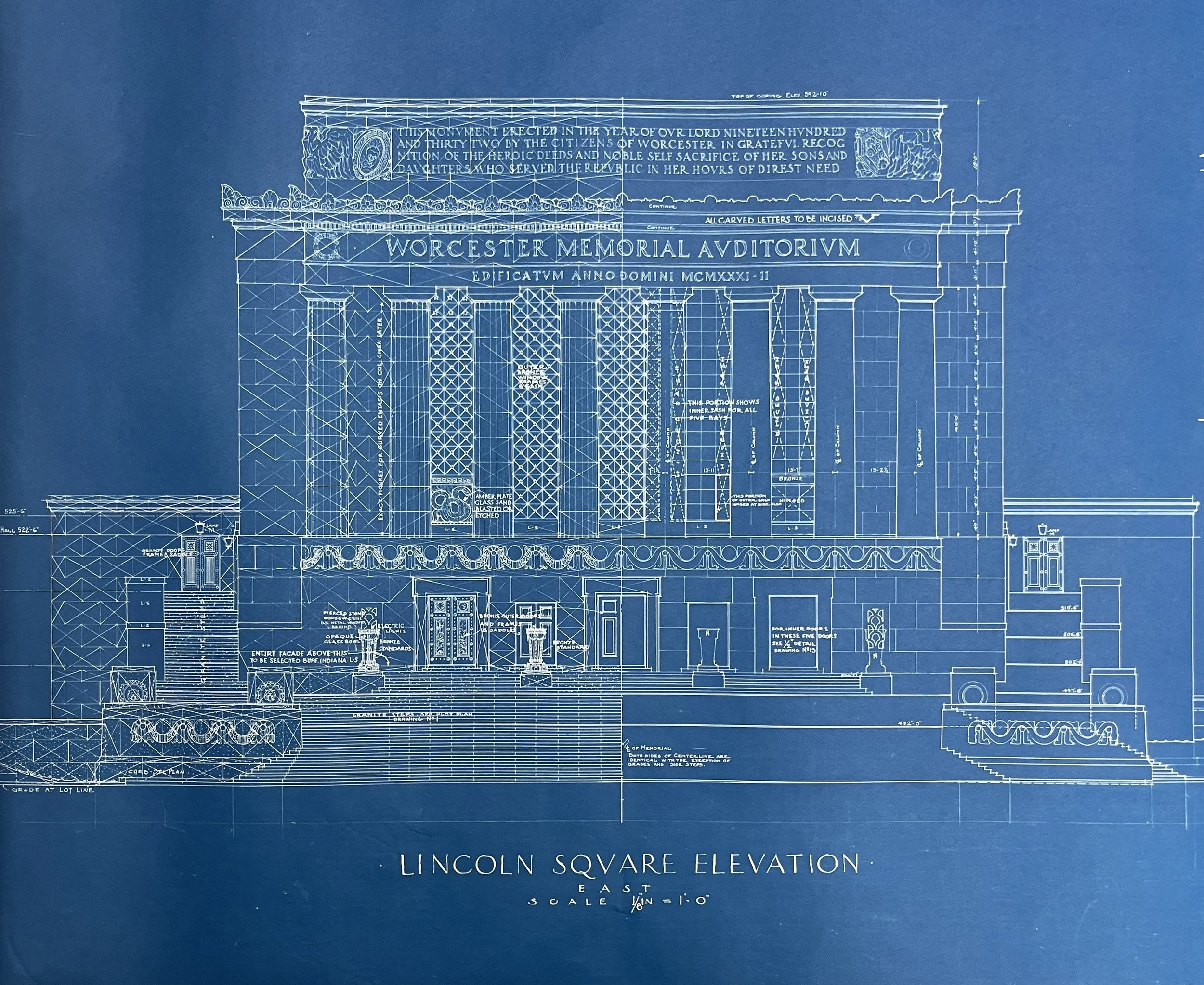
Historic American Buildings Survey (HABS) and Historic American Landscapes Survey (HALS) are federally administered documentation programs that record significant historic buildings, structures, and landscapes across the United States. Using measured drawings, large-format photography, and written histories, HABS and HALS create permanent archival records that support preservation, research, and public understanding of the nation’s built and cultural environment.
Photography
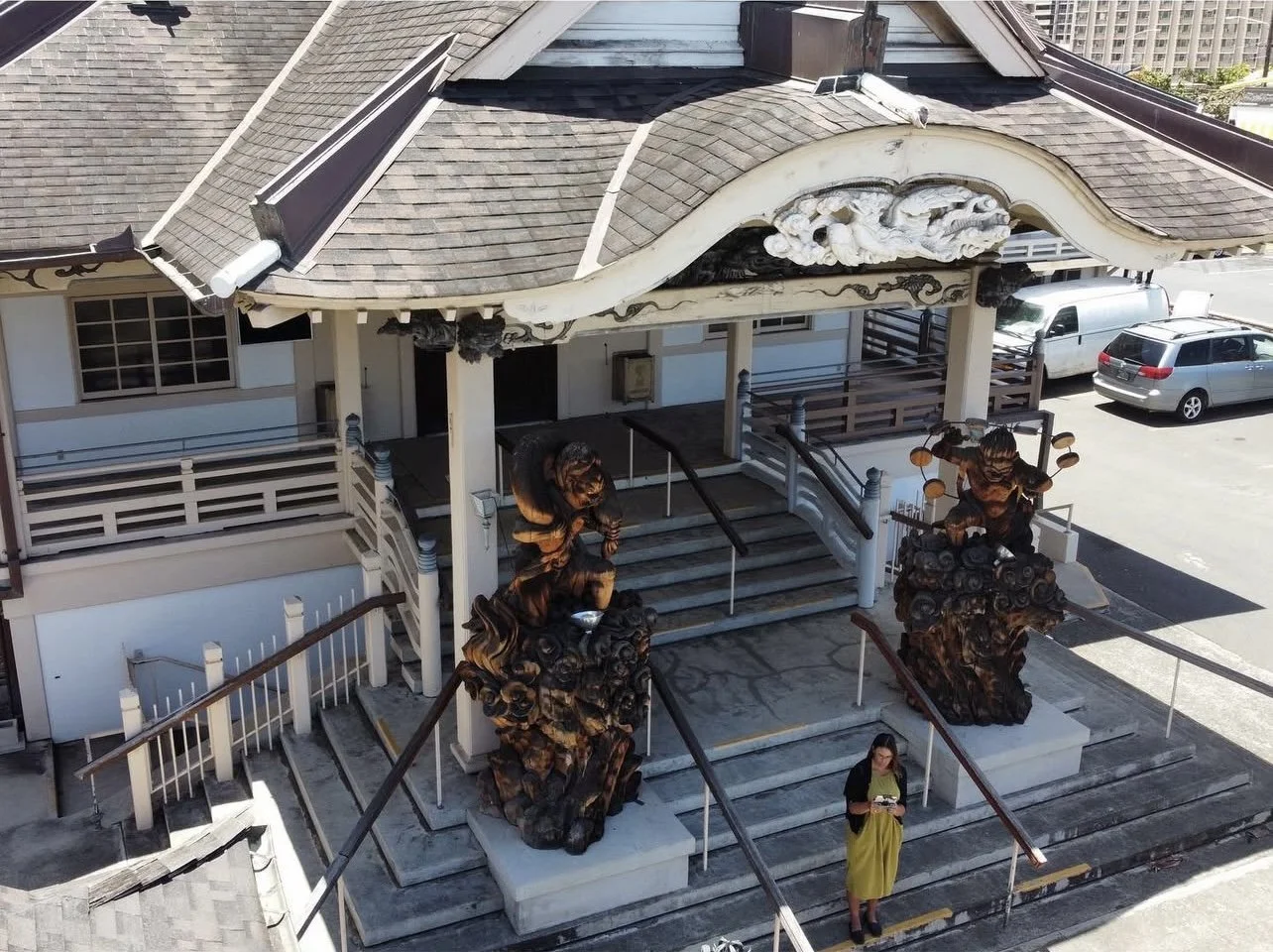
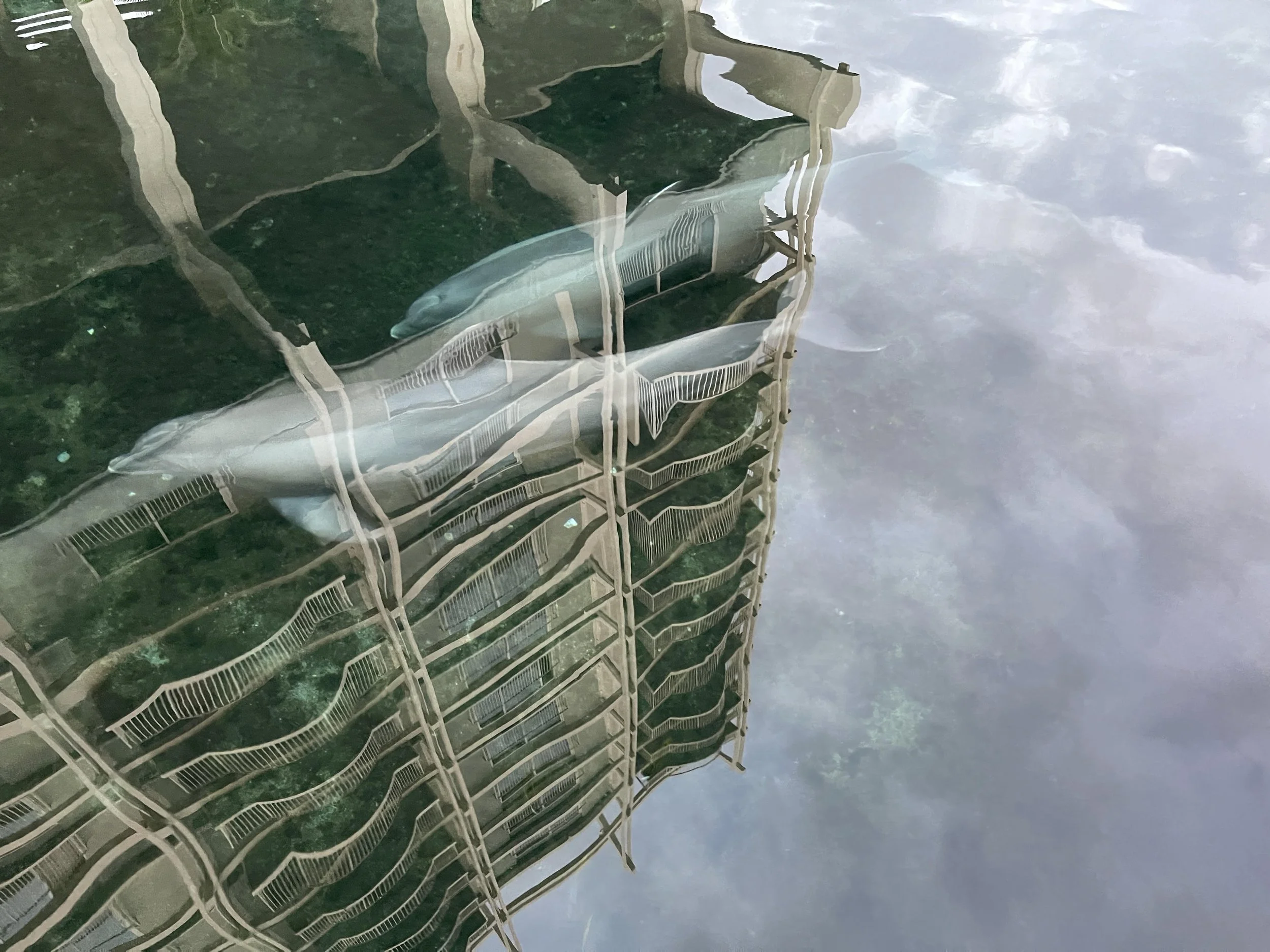
Photography of architecture, nature, and streetscapes, highlighting the relationship between place, people, and the environment.
Clients
2024
Seattle Public Utilities
City of Seattle
King County Metro
Washington State Department of Transportation
Nature Conservancy
City of Bellingham
FEMA
Bureau of Ocean Energy Management
2023-2020
United States General Services Administration
Department of Defense
Honolulu Authority for Rapid Transportation
Roman Catholic Church
Pacific Consulting Services, Inc.
NORESCO
2016-2019
City of Los Angeles
City of Ventura
City of Palm Springs
Church of Scientology
Gensler
CIM Group
Numerous private owners, developers, and land use attorneys

About
Caroline Raftery, founder of Habitat Heritage, is a qualified architectural historian (36 CFR 61) with over a decade of experience in historic preservation, regulatory compliance, and adaptive reuse nationwide. She holds an MS in Historic Preservation from Columbia University and a BS in City & Regional Planning with a Sustainable Environments minor from Cal Poly San Luis Obispo. Her work advances preservation as climate action by extending building life cycles, reducing carbon, and sustaining the cultural narratives that define communities.
Let’s Adapt!
Exploring an adaptive reuse project? I’d be happy to connect and discuss how architectural history, research, and preservation strategy can support your work.